Two Patients Hospitalized in Albany With West Nile Virus as Phoebe Urges South Georgians to Take Precautions
Two confirmed West Nile patients are hospitalized at Phoebe Putney Memorial Hospital, and doctors suspect a third case as mosquito season remains active in South Georgia.
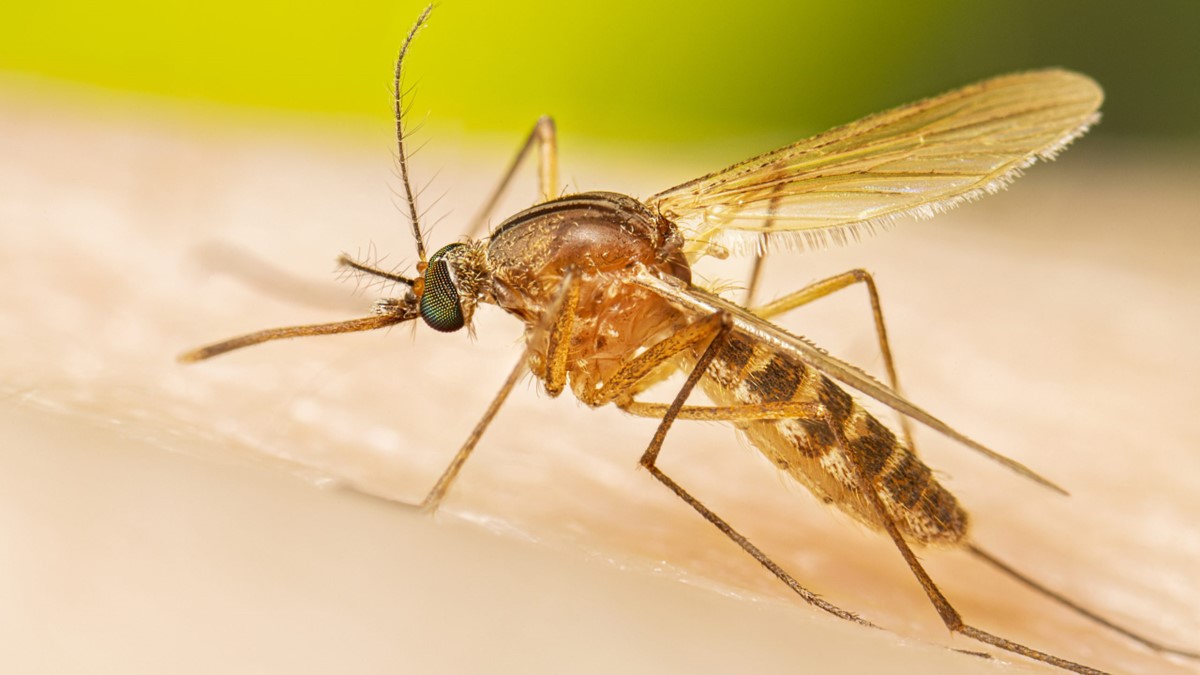
ALBANY, Ga. Two patients with confirmed West Nile virus infections are hospitalized at Phoebe Putney Memorial Hospital in Albany, while doctors are awaiting test results on a third patient suspected of having the virus.
Phoebe Putney Health System announced the cases Friday, September 4, while urging residents across South Georgia to take mosquito precautions. WALB News 10 also reported the hospitalizations locally that day.
The cluster is notable because most people infected with West Nile virus never become seriously ill.
Phoebe Emergency Services Medical Director Dr. James Black said about 80% of infected people develop no symptoms, approximately 20% experience mild illness and fewer than 1% develop severe disease. He described having several patients sick enough to require extended hospitalization at the same time as unusual.
For Albany and Southwest Georgia residents, the timing also matters. West Nile infections nationally tend to peak in late August and early September, according to the Centers for Disease Control and Prevention, and mosquito activity can continue well into the fall in Georgia.
What West Nile virus is and how it spreads
West Nile virus is primarily transmitted through the bite of an infected mosquito.
The virus circulates naturally between birds and mosquitoes, particularly Culex species. A mosquito can become infected after feeding on an infected bird and later transmit the virus when it bites a person or another animal.
It is not ordinarily spread from person to person through normal contact. Rare transmission has occurred through blood transfusion, organ transplantation and from mother to child during pregnancy, delivery or breastfeeding.
The Georgia Department of Public Health says West Nile occurs in Georgia every year and identifies it as one of the state's endemic mosquito-borne diseases.
Most infections are mild, but severe cases can affect the nervous system
Many people infected with West Nile never know they have it.
People who do develop symptoms may experience fever, headache, body aches, joint pain, vomiting, diarrhea or rash, according to the CDC.
A much smaller share develop severe neurological disease, including meningitis or encephalitis. Symptoms can include high fever, neck stiffness, confusion, tremors, seizures, muscle weakness or paralysis.
The CDC says fewer than 1% of infected people develop neuroinvasive disease. Phoebe said its hospitalized patients are receiving supportive care because there is currently no specific antiviral medication or licensed human vaccine for West Nile virus.
Who is more likely to become seriously ill?
Anyone can become infected, but the risk of severe disease increases with age and is higher among people with weakened immune systems.
The CDC also identifies some chronic health conditions, including cancer, diabetes, high blood pressure and kidney disease, as factors that can increase the risk of severe illness.
Phoebe is particularly urging higher-risk South Georgia residents to take precautions while mosquito activity remains high.
What Albany and South Georgia residents can do now
Because there is no vaccine for people, preventing mosquito bites remains the main defense against West Nile.
The CDC and Georgia DPH recommend using an EPA-registered mosquito repellent, wearing loose-fitting long sleeves and pants when practical, keeping mosquitoes outside with screens and reducing exposure during periods when Culex mosquitoes are most active, particularly from dusk through dawn.
Residents can also reduce mosquito breeding around their homes by regularly emptying standing water from buckets, flowerpots, birdbaths, discarded tires and other containers.
The Georgia inside the story
Two hospitalizations do not by themselves mean Albany is experiencing a widespread West Nile outbreak.
They do provide a timely local warning.
Public-health surveillance generally records human cases according to where a patient lives, not necessarily the exact place where an infected mosquito bite occurred. That means hospitalization or residence in a particular county does not establish exactly where exposure happened.
What is clear is that West Nile virus circulates in Georgia, Phoebe is currently treating multiple seriously ill patients, and early September falls within one of the highest-risk periods of the year.
For Southwest Georgia, the practical takeaway is simple: mosquito season is not over because Labor Day has arrived.
When to seek medical attention
People who believe they may have West Nile virus should contact a healthcare professional for evaluation, particularly if symptoms become serious.
Severe neurological symptoms such as confusion, severe weakness, seizures, neck stiffness or paralysis require prompt medical attention.
What happens next
Phoebe is awaiting testing on the third suspected patient while the two confirmed patients remain hospitalized.
Public-health surveillance will continue as mosquito season moves through September and into the fall. CDC national surveillance data are updated during mosquito season, though federal figures can lag behind state and local reports.
For Albany residents, the immediate focus remains prevention: avoid mosquito bites, remove standing water and pay attention to symptoms if illness develops after mosquito exposure.